How to Hook Users in 3 Steps: An Intro to Habit Testing
Changing user habits isn’t easy — but understanding how to conduct Habit Testing will increase your odds of success.
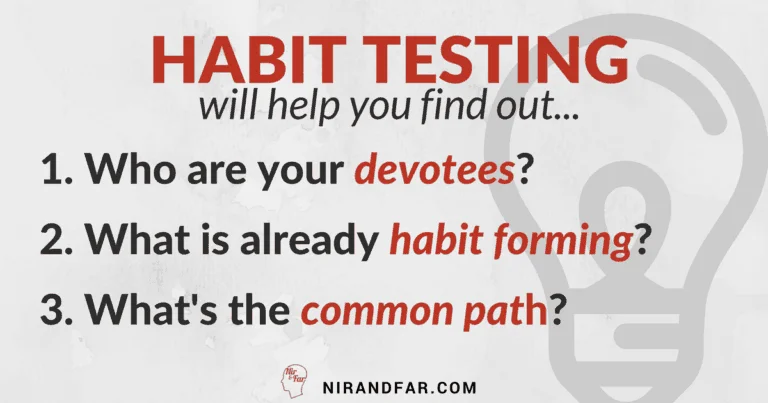
In this video, I provide a brief introduction to the three steps of Habit Testing. I explain how product designers use these steps to identify their devotees, codify what makes the product habit-forming, and modify the user experience accordingly.
Also, here’s a graphic to help you remember the 3 steps to Habit Testing — Identify, Codify, and Modify. If you find it helpful, don’t forget to share it.

My original article can be found here:
Related Articles
- How Your Brain Sabotages Your Social Life—and Simple Ways to Fix It
- The Truth About Emotions: What Parents Need To Know
- Finding Your Footing When The Ground Shifts Beneath You
- Unlock Your Potential With The Power Of Belief
- The Pain Paradox: How Fear of Pain Creates More Pain
- Let’s Not Decide Who Kids Are Before They Do
- How to Find Fulfillment When Your Job Doesn’t Provide It
- Why Seeking Approval is Killing your Potential
- How Successful People Timebox
- Stop Gaslighting Yourself: Why Your Memory Isn’t as Reliable as You Think
- How to Protect Your Focus Without Burning Bridges
- The Real Culprit Behind Plummeting Children’s Mental Health
- The 4 Secrets to Storytelling for Business
- The Hidden Power of Social Comparison
- Is Psychiatry Keeping Us Sick?
- Why You’re Always Busy but Never Productive (and How to Fix It)
- The Surprisingly Strong Case for Luck in Sales
- Fail! Fail a Lot! It’s Good for You
- You Are Not Your Mental Health
- Control Your Calendar (Not Your To-Do List) and Success Will Follow
- Getting Great Sleep is Much Easier Than You Think
- How to Be Lucky in Business and Life: 4 Science-Backed Principles
- How to Stop Overthinking
- How to Handle a Distracting Boss
- Only People Who Believe in Luck Have It
- Can You Think Yourself Thinner?
- Work Productivity Hacks & Tips for Today’s Workplace
- Why Successful People Only Get More Successful
- How to Become an Indistractable Reader
- Want to Live Longer? Change Your Mind About Aging
- How to Overcome Anxiety Forever
- Referent Power: The Ultimate Form of Influence
- Studies Show Self-Compassion is the Motivator You’re Missing
- How to Banish Virtual Meeting Boredom
- Limiting Beliefs: Ditch the 4 Dream Killers Holding You Back
- Sales Psychology: Why You Make Terrible Buying Choices
- Listening to Fitness Gurus is Making You Fat
- The Magic of Now, Not How
- The App that Transforms Drinking Habits: a Case Study
- 3 Steps to Master Your Emotions and Be Your Best Self
- The Ultimate Guide to Unstoppable Motivation
- Multitasking During Meetings? How to Make Your Colleagues Indistractable
- How to Build a Habit-Forming Enterprise Product
- Score Your Spats: How to Stop Fighting in a Relationship
- Unlocking Focus with the Distraction Tracker
- The Crucial Difference Between Distraction and Diversion
- Decoding Self-Serving Bias: A Spy’s Guide to Clear Thinking
- This Meeting Could Have Been an Email: Top Tips on How to Have Fewer Meetings
- When Do You Feel Most Creative? Why Ideas Bloom at Bedtime
- 32 Morning Affirmations: Rise & Shine! [Science-Backed]
- Scheduling for Life’s Surprises: When Timeboxing is Toast
- Messaging App Madness: How To Stay Productive [and Sane]
- How to Build an Irresistible Product for VC Investors
- You Don’t Have to Follow the Same Routines Forever
- You Can Have Your Retirement Fantasy Today
- How to Craft an ‘Indistractable’ Summer Schedule for Your Kids
- The 4-Day Workweek: How To Do More With Less
- Managers, Stop Distracting Your Employees
- Here’s How I Made the Time to Write 2 Bestselling Books
- A Case Study in Implementing the Hooked Model: Gatorade’s Gx App
- Money Buddies: Don’t Go It Alone with Your Wallet
- 5 Productivity Myths Ruining Your Life
- How to Stop Habits that Secretly Make You Miserable
- One Question to Ask Yourself to Know Your Future
- Make Time for Procrastination
- People Make Time for What They Want — Rightfully So
- Kickstart the New Year with a Self-Audit
- ’Tis the Season for Reexamining Your Values
- 4 Mental Traps That Kill Productivity
- Labeling Yourself is Keeping You Down, Do This Instead
- Not Enough Hours in the Day To Slay Your To-Do List
- 3 Reasons Why Subscription Businesses Fail
- Skip the Digital Detox—Abstinence Won’t Work (But This Does)
- The Surprising Science of “Manifestation”
- Best Productivity Tools: 6 That Stuck With Me
- Schedule Maker: a Google Sheet to Plan Your Week
- A Fail-Safe Trick in your Search for the Right Productivity Apps
- You’re Not Addicted to Technology. Here’s What’s Happening Instead.
- Locus of Control: How It Affects Your Life and How To Manage It
- Distraction at Work Is a Symptom of Dysfunction
- 27 Best Productivity Hacks & Tips That Actually Work in 2025
- Why Values In a Relationship Are What Make It Last (Or Not)
- Why People See Problems Where There Are None
- 3 Ways to Filter Your Friends
- How Products Shape Our Mindsets and Change Our Reality
- How to Prevent Burnout
- Fear of Being Alone is Natural. Embrace It.
- Get Comfortable With Being Uncomfortable
- Surprise! There’s a Right Way to Multitask
- Can Someone with ADHD be ‘Indistractable’?
- Planning a Vacation Is Practice for a Great Life
- Why It’s So Hard to Shake the Way People Make You Feel
- Don’t Write About What You Already Know — Instead, I’m “Writing To Learn”
- Are We Really Having Fun at Bars or Just Escaping Reality?
- The 6 Behavioral Design Books That Paved My Career
- The 4 Steps to Becoming Indistractable
- Why You’re Never Going to Be Satisfied With Life
- How a Morning Brain Dump Helps You Stay on Track All Day
- The Key to Behavior Change is Identity Change
- How to Make Sure Working From Home Doesn’t Mean You’re Always Working
- Planning Ahead Is the Key to Living With More Spontaneity
- To Fix Your Problems, Find the Root Cause
- One Question to Help You Get More Done
- The Pursuit of ‘Flow’ Is Overrated
- How to Survive in a World of Information Overload
- How to Get a Friend to Put Away Their Phone Without Being a Jerk
- How to Tame Your Wandering Mind and Actually Get Some Work Done
- If You Don’t Plan Your Time, Someone Else Will
- You Don’t Need a Mentor. You Need a Buddy.
- Would You Rather Give Up Sex or Your Phone?
- Habit Tracker Template in Google Sheets
- Here’s How to Ensure Your Kids Don’t Spend the Entire Break Staring at Screens
- I Changed My Mind About Saying “Merry Christmas,” and You Should Too
- How the Ancient Greeks Beat Distraction
- Habits Are Overrated
- Need Motivation? Make a Price Pact
- Researchers Say We’re Trapped in a “Cycle of Distraction.” Here’s How to Break Free.
- The Pinky Promise: Stick To It – Or Shed Some Blood
- Tame Daily Distractions With a ‘Precommitment Pact’
- “Digital Body Language” Is Everything: Interview with Erica Dhawan
- Good News! Your Willpower Isn’t Limited–Don’t Believe the “Ego Depletion” Theory
- Getting Over FOMO, the Fear of Missing Out
- Choice Architecture: Your Decisions Aren’t Entirely Yours (Interview with Eric Johnson)
- The New Norms of Business: Interview with Nathalie Nahai
- How to Play The Long Game: Interview with Dorie Clark
- Here Are The 4 Simple Introspection Steps That Will Boost Self Awareness
- Can’t Seem to Stick With Your Commitments? Try Making a Pact.
- The Real Reason Why You Sabotage Your Own Goals
- How to Stick to a Schedule Even When You Go Off Track
- Breaking the Cycle: Strategies to Overcome Bad Habits
- Steal These 3 Advertising Secrets–To Use As Motivation Hacks
- How to Escape the Vicious Cycle of Distraction
- The Ultimate Core Values List: Your Guide to Personal Growth
- Can We Please Stop Calling Everyone “Addicted”?
- Why Do People Believe the ‘Social Media is Mind Control’ Myth?
- Timeboxing: Why It Works and How to Get Started in 2025
- Children and Technology: 3 Things Parents Need To Know
- The Influencers Dinner: An Interview with Jon Levy
- What Is Motivation? You’ve Probably Been Thinking About It All Wrong
- “Just Say No” Is Bad Productivity Advice
- Cancel the New York Times? Good Luck Battling “Dark Patterns”
- Can We Regulate Social Networks To Curb Addiction—Without Making Them Suck?
- So, You Want To Become a Great Product Manager? [Q&A with Jackie Bavaro]
- Why the Illusion of Control Is Hurting Your Goals
- Are You a Wage Slave?
- What is the Opposite of “Distraction?” The Single Word that Will Change Your Life This Year
- Don’t Fall for This Excuse Trap: Why “That Won’t Work for Me” is Self-Sabotaging
- Maybe Social Media Isn’t Making Teens Depressed, After All. And Here’s What Likely Is.
- Will Clubhouse be a Habit or Has-Been?
- How to “Listen Like you Mean It”
- Smartphone Too Distracting? Here’s How to Reclaim Your Focus
- “Tech Addiction” Is the New Reefer Madness
- Love is Measured By the Benefit of the Doubt: The Secret to True Kindness
- An Illustrated Guide to the 4 Types of Liars
- Why You Might Need a Humor Audit: the Benefits of Laughter
- Hypocrites: How to Survive in a World that’s Full of Them
- How to Finally Find the Motivation You’ve Been Missing
- Ashley Stahl: Former National Security Expert Helps Us Get Unstuck
- David Burkus: The One Thing Remote Leaders Need to Know
- Hindsight Bias: Why You Make Terrible Life Choices
- How to Turn Off Harmful Stress Like a Switch
- Review of The Social Dilemma: No, Social Media Is Not “Hijacking” Your Brain
- This is How the Media is Misleading You on “Technology Addiction”
- Be a Schedule Builder, Not a To-Do List Maker
- Handling Life Transitions: Interview with Bruce Feiler
- Indistractable Schedule Maker Tool
- Screen Time for Kids: Give Them What They Need
- Changing Habits: Interview with Dr. Amy Bucher, a Behavior Change Designer
- From Friday Forward to Monday Motivation: Q&A with Robert Glazer
- Email Management: How to Hack Back and Cure Inbox Insanity
- The Surprising Benefits of Unconditional Positive Regard
- How to Raise Distraction-Free Kids
- How to Get the Most Out of Your Calendar
- Extrinsic Motivation: Why You Make Terrible Life Choices
- Don’t Follow Your Gut (and What to Do Instead)
- Why You Don’t Have to Be a Rocket Scientist to Think Like One
- Why We Should All Be Wearing (and Making) Face Masks Right Now
- [Survival Tips] Homeschooling During Coronavirus Closings
- Why You’re Not Good at Changing Minds (and What You Can Do About It)
- This is How to be Less Distracted By Having Fun in Tedious Tasks
- “Addicted” to Technology? Why You Need To Turn The Tables And Hack Back!
- What You Need to Know When Visualizing Your Goals
- This is What Most People Get Wrong About Willpower
- Is Tech Ruining Kids? How to Safely Manage Screen Time
- 5 Ways to Distraction-Train Your Mind
- Here Is How to Practice Stillness and Increase Focus
- This is How to Repair a Toxic Work Culture
- How to (Finally) Put an End to Pointless Arguments
- Progressive Extremism: How To Be A Better You
- The Most Important Skill of the Future is Being ‘Indistractable’
- How To Disarm Internal Triggers and Improve Focus
- This Is The Most Important Skill Parents Should Teach Their Kids
- How to Master Hard Skills Quickly with “Ultralearning”
- The Addictive Products Myth: Who Is the Culprit Here?
- 1 Thing You Need To Know To Save You From Your Email Inbox
- If Tech Is So Distracting, How Do Slack Employees Stay So Focused?
- Stop Confusing Habits for Routines: What You Need To Know
- Learn How To Avoid Distraction In A World That Is Full Of It
- [Focus Guide] How To Make The Most Out Of Your Time And Your Life
- The One Fitness App That Hooked Me For Good
- The Truth About Kids and Technology: Jean Twenge (iGen) and Nir Eyal (Hooked) Discuss Tech’s Effect on Children’s Mental Health
- Fundamental Attribution Error: Why You Make Lousy Life Choices
- Kids’ Video Game Obsession Isn’t Really About Video Games. It’s About Unmet Psychological Needs.
- Here’s How Fortnite ‘Hooked’ Millions
- The Real Reason Apple and Google Want You to Use Your Phone Less
- How Bad is Tech Use for Kids, Really?
- How Apps Can Shape Your Future Self
- How to Be Indistractable: Video by Nir Eyal
- Peak-End Rule: Why You Make Terrible Life Choices
- How Netflix’s Customer Obsession Created a Customer Obsession
- Distinction Bias: Why You Make Terrible Life Choices
- Want to Design User Behavior? Pass the ‘Regret Test’ First
- Confirmation Bias: Why You Make Terrible Life Choices
- How to Regain Focus at Work by Slaying the Messaging Monster
- How to Trigger Product Usage that Sticks
- Avoiding Bystander Effect: Getting People to Help Each Other
- Hyperbolic Discounting: Why You Make Terrible Life Choices
- Here’s How Amazon’s Alexa Hooks You
- Technology Is Not Hijacking Your Brain (video)
- When Distraction is a Good Thing
- How to Use Psychology to Make Persuasive Video
- Tech Companies are Addicting People! But Should They Stop?
- How to Use Personality Science to Drive Online Conversions
- Technology Is Distracting. Here’s How to Fix It. (Video)
- The Strange Way Being “Good” Hurts Your Willpower
- Research Reveals How to Take a Better Break
- The Unbelievable Future of Habit-Forming Technology
- Why Our Tech Obsession Might Be a Work Obsession
- The Secret Marketing Power of Evolutionary Psychology
- Your Ability to Focus Has Probably Peaked: Here’s How to Stay Sharp
- Don’t Ask People What They Want, Watch What They Do
- How to Achieve Your Goals By Creating an Enemy
- How Cognitive Biases Can Help (and Hurt) Your Business
- What Most People Don’t Know About Behavioral Design
- How to Start a Career in Behavioral Design
- How to Stay Informed Without Losing Your Mind
- What Do You Do When Someone “Steals” Your Amazing Idea?
- The Way You Think About Willpower Is Hurting You
- Your World is Full of Placebo Buttons (and That’s a Good Thing)
- How to Build Technology that Feels Like a Friend
- This Weird Research-Backed Goal Setting Hack Actually Works
- 3 Pillars of the Most Successful Tech Products
- Here’s How to Ethically Manipulate Other People
- How Two Companies Hooked Customers On Products They Rarely Use
- Don’t Let Friendships Starve to Death: Use This Happiness Hack to Keep People Close
- Conquer Distractions With This Simple Chart
- Should We Worry About the World Becoming More Addictive? Q&A with Nir Eyal
- How to Hook Users in 3 Steps: An Intro to Habit Testing
- The Four People Addicting You to Technology
- Die Dashboards, Die! Why Conversations Will Reinvent Software
- “Think Different” is Bad Advice
- The Secret to Sending Emails and Notifications That Work
- Three Steps To Get Up To Speed On Any Subject Quickly
- It’s How You React to Failure that Matters: Why Ego is the Enemy
- How to Win Your Competition’s Customers
- Hooked for Good: How Habit-Forming Products Improve Lives
- Good Products Start With Good Questions
- Why People Check Their Tech at the Wrong Times (and the Simple Trick to Stop It)
- Happiness Hack: This One Ritual Made Me Much Happier
- Who’s Really Addicting You to Technology?
- How to Clear Your Computer of Focus-Draining Distraction
- Human + A.I. = Your Digital Future
- Why ‘Assistant-As-App’ Might Be the Next Big Tech Trend
- People Don’t Want Something Truly New, They Want the Familiar Done Differently.
- Un-Hooked: Increasing Focus in the Age of Distraction
- Would You Take A Bet That Would Change Your Life? Probably Not. Here’s Why
- The Behavioral Economics Diet: The Science of Killing a Bad Habit
- The Mind-Hack I Used to Help My Father Lose Weight
- 4 Ways to Win Your Competitor’s Customer Habits (Slides)
- 4 Cures for Feeling Overwhelmed: A Book Review
- Here’s Why You’ll Hate the Apple Watch (and the Important Business Lesson You Need to Know)
- The Secret Psychology of Snapchat
- Can’t Kick a Bad Habit? You’re Probably Doing It Wrong
- Everything Is Obvious (Once You Know The Answer) Book Review
- Your Fitness App is Making You Fat, Here’s Why
- The Psychology of Notifications: How to Send Triggers that Work
- How Technology Tricks You Into Tipping More
- Building Community Starts with Understanding People
- When Persuasion Becomes Deception
- Latest Tech Trends: Products to Eliminate Distractions and Increase Willpower
- Mastering Pricing Principles
- 3 Ways to Make Better Decisions Using “The Power of Noticing”
- A Handy Behavioral Design Toolkit
- Onboarding Matters – Getting Users Engaged in your Product
- The Limits of Loyalty: When Habits Change, You’re Toast
- Dual Process Theory: Is Your Product the Elephant or the Rider?
- 4 Ways to Use Psychology to Win Your Competition’s Customers
- Web Psychology – The Science of Online Persuasion
- Email Habits: How to Use Psychology to Regain Control
- Developing User Empathy with Design Sprints
- The Real Reason “Stupid” Startups Raise So Much Money
- Want To Be A Game Psychologist? What You Need to Know
- The Psychology Behind Why We Can’t Stop Messaging
- How to Do Effective User Research
- Context Driven Design (The “Context Effect”)
- The Psychology of a Billion-Dollar Enterprise App: Why is Slack so Habit-Forming?
- Writing Copy for Your Reader’s Brain
- Mind Hacking a Book
- Designing Habit-Forming Products
- Framing Reward is as Important as Reward Itself
- Games, Play, and Motivation
- How Scarcity & Impatience Drive Irrational User Behavior
- Habits, Obstacles, and Media Manipulation with Ryan Holiday
- Should You Listen To Your Users or Your Data?
- Emotional Engagement – Designing with the Heart in Mind
- A Free Course on User Behavior
- This Simple Equation Reveals How Habits Shape Your Health, Happiness, and Wealth
- It’s Not All Fun And Games: The Pros and Cons of Gamification at Work
- Product Psychology: The 3 Things Everyone Should Know About
- Getting Traction: How to Hook New Users
- Designing for Behavior Change Book Review
- The Sneaky Trick Behind the Explosive Growth of the Kardashian Game
- The Sweet Spot: Where Technology Meets the Motivational Brain
- The Number One Reason Good Habits Don’t Last
- How Successful Companies Design for Users’ Multi-Device Lives
- The Link Between Habits and User Satisfaction
- What Triggers The Best Word of Mouth Marketing?
- Is Some Tech Too Engaging?
- Can Online Apps Change Real-Life Behavior?
- What Tech Companies Can Learn from Rehab
- Auction Addiction: This Online Industry’s Dirty Secrets
- Teach or Hook? What’s the Real Goal of Online Education?
- Using Mind Control to Raise Startup Cash
- How To Build Habits In A Multi-Device World
- How To Cope with Your Insane Jealousy Of The WhatsApp Deal
- Why Do Fads Fade? The Inevitable Death Of Flappy Bird
- You’d Be Surprised By What Really Motivates Users
- Nostalgia: A Product Designer’s Secret Weapon
- How You Can Help Users Change Habits
- Is “Lean Startup” Right for Your Idea?
- Hunting for Habits: Keying in on smart design to make a product irresistible
- Are Companies Too Obsessed With Growth? How to Measure Habits
- Refresh: The App a Secret Agent Would Love
- Angel or Devil: Who’s Really Investing In Your Start-Up?
- 3 Ways I Use Technology to Find Happiness
- In 10 Years, We Won’t Use Personal Technology
- How to Break 5 Soul-Sucking Technology Habits
- 4 Simple Things I Did to Control My Bad Tech Habits
- The Real Reason You’re Addicted to Your Phone
- “Yes, And”: The Two Words that Created a #1 App
- The Power of No
- From Laid to Paid: How Tinder Set Fire to Online Dating
- What if In-App Purchases Came to Real Life?
- To Become a Superstar, Improve Your Strengths (Not Your Faults)
- Hooking Users One Snapchat at a Time
- How To Save Your Startup From The “Spotlight Effect”
- Bible App: Getting 100M Downloads is Psychology, Not a Miracle
- Why Behavior Change Apps Fail to Change Behavior
- How to Boost Desire Using the Psychology of Scarcity
- Marketplaces & The Curse of the Network Effect
- Today’s Behaviors, Tomorrow’s Startups
- Venture Capital and The Superstitious Investor
- Think You Like What You Like? Think Again
- The Roots of Temptation
- Our More Engaging World
- The Future is Driven by Interface Changes
- Why Business Is Obsessed With Habits
- Viral Loops Or Viral ‘Oops’?
- Making a Marketplace
- Why Positive Thinking is Bad For You
- What Killed Turntable.fm?
- What You Don’t Know About Human Intuition Can Hurt You
- Designing to Reward our Tribal Sides
- New Video – “Hooked: Building Habit-Forming Products”
- This Will Be the Last Article You Read
- How Technology is Like Bug Sex
- Time for Digital Hat Racks
- Ways To Get People To Do Things They Don’t Want To Do
- The Network Effect Isn’t Good Enough
- Escape From Message Hell
- Mass Persuasion, One User At A Time
- How Investment Drives Engagement (Slides)
- Getting Your Product Into the Habit Zone
- Where Have The Users Gone?
- Infinite Scroll: The Web’s Slot Machine
- Designing User Habits Video
- Psychology of Sports: How Sports Infect Your Brain
- This is Your Brain On Boarding: How to Turn Visitors Into Users
- User Investment: Make Your Users Do the Work
- Behavior by Design Video
- When Designing for Good Is Bad
- Stop Building Apps, Start Building User Behaviors
- The Morality of Manipulation
- The Next Secrets of the Internet
- User Growth and Engagement: A Hacker Metric
- Spotting the Next Facebook: Why Emotions are Big Business
- Strange Sex Habits of Silicon Valley
- The Billion Dollar Mind Trick: An Intro to Triggers
- Why Everyone Hates I.T. People
- Hooking Users In 3 Steps: An Intro to Habit Testing
- Abolish The Reference Check
- Variable Rewards: Want To Hook Users? Drive Them Crazy
- How to Design Behavior (The Behavior Change Matrix)
- How To Design For “Normals”
- The Hooked Model: How to Manufacture Desire in 4 Steps
- User Habits: Why Startups Must Be Behavior Experts
- What Is, and Is Not, Your Product’s Job
- Forming New Habits: Train to be an Amateur, Not an Expert
- Personalized eCommerce Is Already Here, You Just Don’t Recognize It
- Pinterest’s Obvious Secret
- Where is the Web Going?
- The Developer Divide: When Great Companies Can’t Hire
- Being a Quitter Makes You a Good Entrepreneur
- Why Your Goals Will Fail, and What You Can Do About It
- Behavior by Design
- What A-Players Do That You Don’t
- Why You Should Run Your Business Barefoot
- Are you a Startup Star, Wacko, or Wannabe?